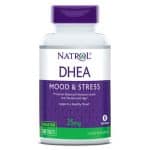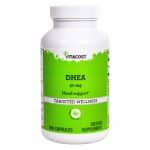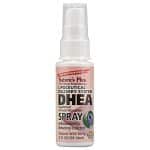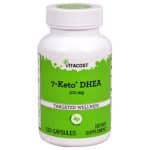


DHEA de qualité pharmaceutique
Découvrez notre large gamme de DHEA de haute qualité provenant de laboratoires américains reconnus mondialement.
Vous pouvez acheter votre DHEA ici en toute sécurité.
DHEAusa.com depuis 2001
La recherche d’un moyen d’arrêter ou au moins ralentir le vieillissement semble avoir toujours existé. L’idée selon laquelle vieillir n’est plus une fatalité s’impose avec force depuis plusieurs années.
Vieillir ne va plus de soi et les promesses issues de la recherche scientifique sur les mécanismes du vieillissement, la chirurgie esthétique, les crèmes antirides, ainsi que l’apparition récente d’une médecine anti-âge sont des éléments remarquables dans le processus contemporain de médicalisation du vieillissement.
En 1995, les medias parlent de l’existence d’une hormone, la DHEA (déhydroépiandrostérone), dont le taux dans le sang baisse régulièrement avec l’âge. Ils s’enthousiasment pour une idée défendue dans des travaux scientifiques américains : en compensant cette baisse par un supplément, il serait possible de lutter contre de multiples maux, dont la détérioration des os, de la peau, des muscles et de la mémoire, l’obésité tardive et même la survenue de certains cancers. La molécule est rapidement qualifiée par les journalistes de « pilule de jouvence ».
C’est pour cela que nous avons sélectionné les meilleures marques qui existent sur le marché, provenant de laboratoires américains fiables et reconnus mondialement.
La DHEA est un complément alimentaire anti-âge. Elle est conseillée à la plupart des personnes à partir de l’âge de 30 ans. Les bienfaits sont nombreux, visitez la page Bienfaits de la DHEA sur la santé pour en savoir davantage.
Nombreux médecins et scientifiques du monde entier sont maintenant convaincus que l’utilisation de DHEA peut procurer une meilleure santé, atténuer le vieillissement, améliorer la forme physique, équilibrer les niveaux d’hormones et ainsi diminuer ou contrôler certaines maladies.
Vous pouvez faire l’achat de DHEA ici pour être livré en France, Belgique, Canada, Suisse ou tout autres pays dans le monde entier. Nous expédions à l’international avec succès depuis 2001.
La recherche d’un moyen d’arrêter ou au moins ralentir le vieillissement semble avoir toujours existé. L’idée selon laquelle vieillir n’est plus une fatalité s’impose avec force depuis plusieurs années.
Vieillir ne va plus de soi et les promesses issues de la recherche scientifique sur les mécanismes du vieillissement, la chirurgie esthétique, les crèmes antirides, ainsi que l’apparition récente d’une médecine anti-âge sont des éléments remarquables dans le processus contemporain de médicalisation du vieillissement.
En 1995, les medias parlent de l’existence d’une hormone, la DHEA (déhydroépiandrostérone), dont le taux dans le sang baisse régulièrement avec l’âge. Ils s’enthousiasment pour une idée défendue dans des travaux scientifiques américains : en compensant cette baisse par un supplément, il serait possible de lutter contre de multiples maux, dont la détérioration des os, de la peau, des muscles et de la mémoire, l’obésité tardive et même la survenue de certains cancers. La molécule est rapidement qualifiée par les journalistes de « pilule de jouvence ».
C’est pour cela que nous avons sélectionné les meilleures marques de DHEA qui existent sur le marché, provenant de laboratoires américains fiables et reconnus mondialement.
La DHEA est un complément alimentaire anti-âge. Elle est conseillée à la plupart des personnes à partir de l’âge de 30 ans. Les bienfaits sont nombreux, visitez la page Bienfaits de la DHEA sur la santé pour en savoir davantage.
Nombreux médecins et scientifiques du monde entier sont maintenant convaincus que l’utilisation de DHEA peut procurer une meilleure santé, atténuer le vieillissement, améliorer la forme physique, équilibrer les niveaux d’hormones et ainsi diminuer ou contrôler certaines maladies.
Vous pouvez faire l’achat de DHEA ici pour être livré en France, Belgique, Canada, Suisse ou tout autres pays dans le monde entier. Nous expédions à l’international avec succès depuis 2001.
Produits vedettes
Nos meilleurs vendeurs
-
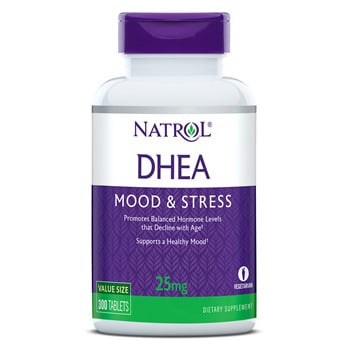
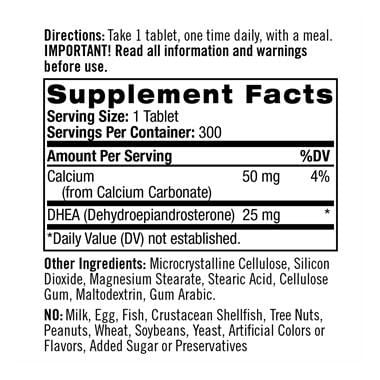 Aperçu rapide
 -
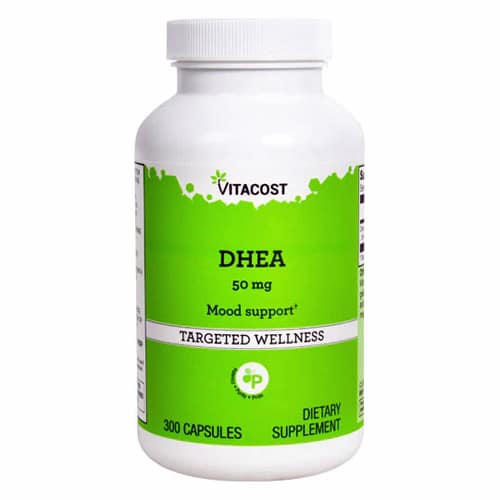 Aperçu rapide
 -
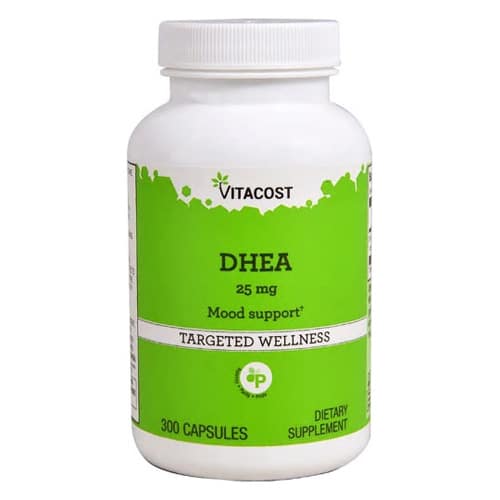 Aperçu rapide
 -
Promo !
 Aperçu rapide
Les différents types de DHEA
Une DHEA adaptée à vos besoins
Clients satisfaits !
Nous vous invitons à nous faire parvenir vos commentaires
J’ai bien reçu mon colis aujourd’hui.
Merci pour le soin que vous prenez avec les envois à l’étranger et la qualité de vos produits.

Dominique
Lyon, France
Félicitations pour la qualité de votre service! Ma livraison a été impeccable et les informations que j’ai reçu m’ont sécurisée sur la qualité de vos produits et services.

Marcel
Québec, Canada
Je vous remercie pour votre rapidité de réponse à mes messages. J’ai bien reçu mon colis aujourd’hui, excellent service.

Martine
Genève, Suisse